


Credit Score Guide
Take control of your credit health.
Do You Know Your Credit Score?
Thinking about buying a new car, saving for your first home, or simply wanting to boost your credit health? At Santa Rosa County Federal Credit Union, we’re here to support your financial journey with tools and guidance to help you make smart money moves.
Why Your Credit Report Matters
Your credit report impacts more areas of your life than you might think. From loan approvals to rental applications, it helps others understand your financial history. Explore the sections below to see why reviewing your credit report regularly is so important.
-
Your credit report plays a major role in whether you’re approved for financing — and what you’ll pay for it.
Lenders review your credit history when you apply for:
Mortgages
Auto loans
Personal loans
Credit cards
A strong credit history can help you qualify for lower interest rates, which may save you thousands of dollars over time. A lower score may result in higher rates or additional requirements.
-
Your credit report can influence more than just loans.
It may be reviewed when you:
Apply for an apartment or rental home
Set up utilities
Apply for certain jobs
Landlords and some employers may check your credit report to evaluate financial responsibility. (Employers do not see your credit score, only a version of your report.)
-
Reviewing your credit report regularly helps protect you.
By checking your report, you can:
Spot unfamiliar accounts
Catch fraudulent activity early
Identify reporting errors
Dispute inaccuracies quickly
The earlier you detect an issue, the easier it is to resolve — and checking your own report does not hurt your credit score.
Learn the Breakdown of a Credit Score
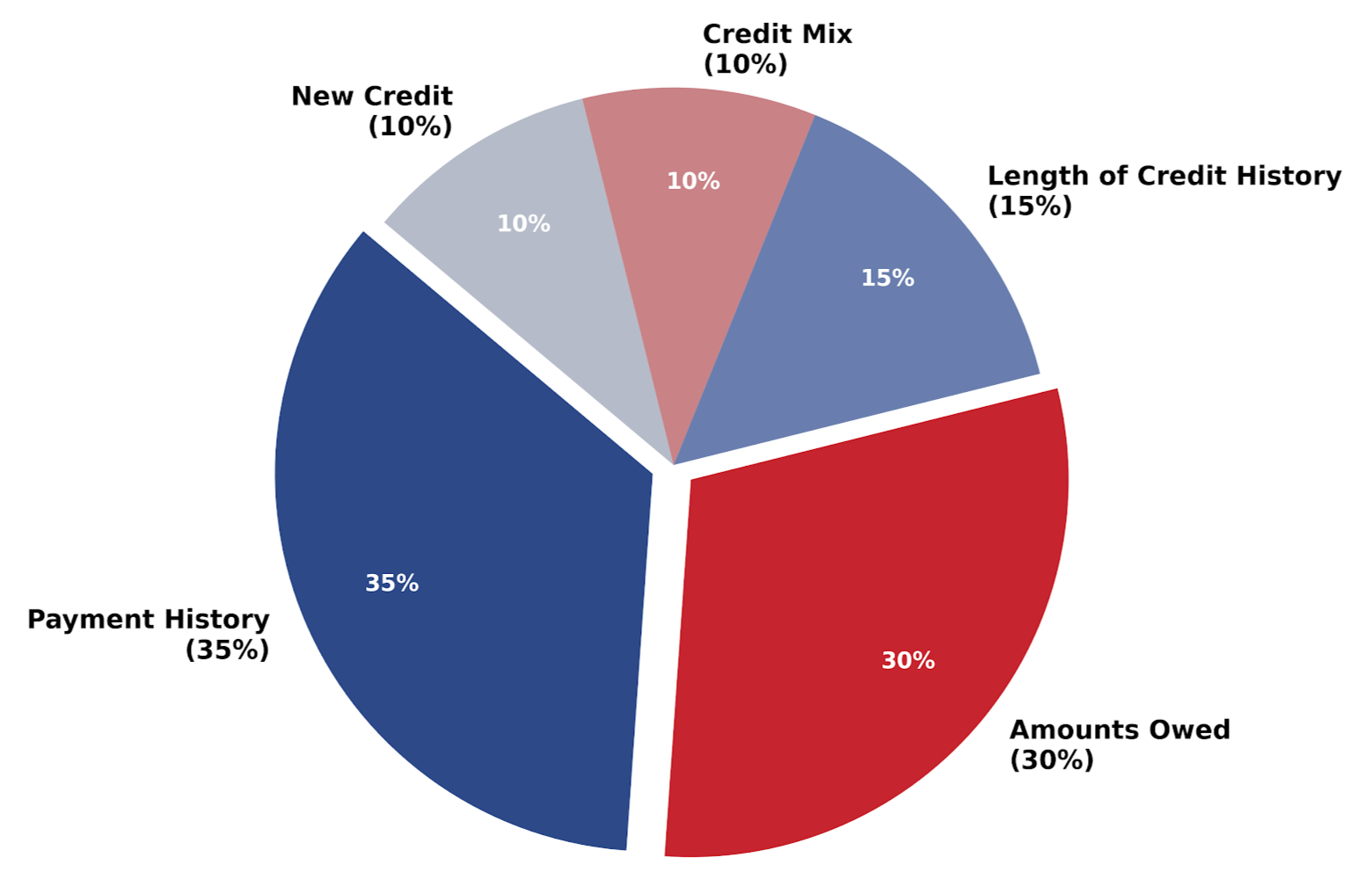
A credit score is a number (usually between 300 and 850) that represents your creditworthiness. Lenders use it to determine how likely you are to repay loans or credit on time. The most widely used model in North America is the FICO® Score, which is based on your credit history with the three major credit bureaus: Experian, Equifax, and TransUnion.
Factors that shape your credit score:
Payment History (35%) – Consistently paying bills on time boosts your score.
Amounts Owed (30%) – Lower balances on credit cards and loans are better.
Length of Credit History (15%) – Older accounts positively impact your score.
Credit Mix (10%) – A healthy combination of credit types helps.
New Credit (10%) – Opening too many new accounts at once can lower your score.
How to Request Your Free Credit Report
You can check your credit report for free once a year from each of the three major credit bureaus by visiting the official site, www.annualcreditreport.com. This is a safe and secure way to see your credit history, identify errors, and monitor your financial health.
Standard Credit Score Ranges and Ratings
Below is a summary of typical credit score categories based on the standard 300-850 range:
Exceptional / Excellent (800-850): This range is considered the top tier of credit. Scores in this category indicate an exceptional history of managing credit responsibly.
Very Good (740-799): While slightly lower, this tier still signals a strong credit profile.
Good (670-739): Falling into this bracket is widely considered to represent a healthy credit history.
Fair (580-669): This category indicates a fair or average credit standing.
Poor / Very Bad (300-579): Scores in this range are typically classified as either poor or very bad
Tips to Improve Your Credit Score
Always pay bills on time.
Keep credit card balances low.
Avoid opening multiple new accounts at once.
Monitor your credit report regularly.

Have Questions About Your Credit?
Understanding your credit score can feel overwhelming — but you don’t have to navigate it by yourself. If you have questions about your credit report or would like to learn how you can improve your credit score, feel free to reach out.